Register your interest for the Agentic Identity webinar today
Digital Credentials for Agentic Systems
When software can act, trust has to scale

Agentic systems are moving from advising humans to acting on their behalf. MATTR Labs is exploring what this shift means for trust, authorisation, and accountability.

MATTR Labs will release a series of articles and host a webinar at the conclusion of the series that will examine what changes when software is authorised to act — and what that means for real-world systems.
What we're doing
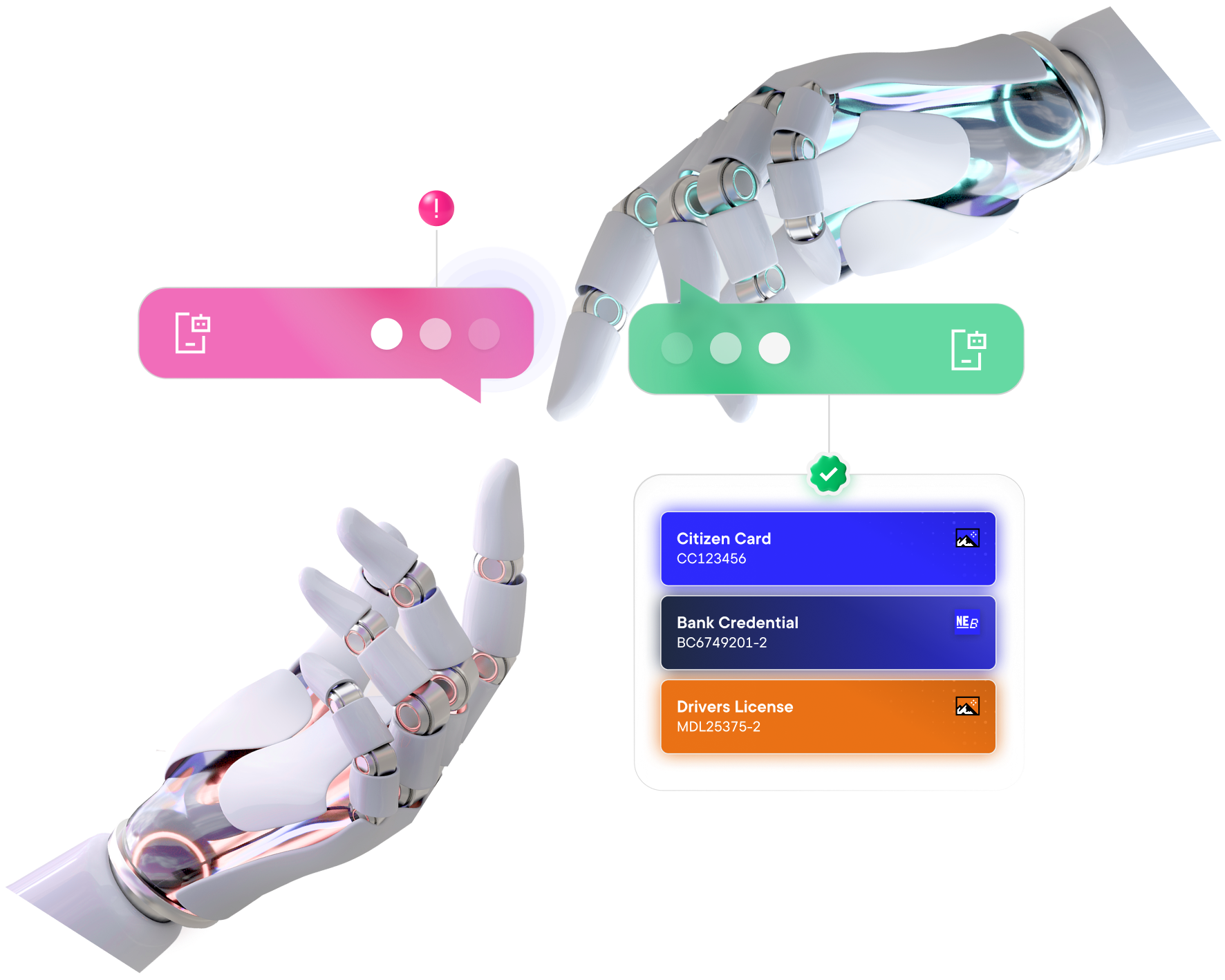
MATTR Labs is exploring agentic commerce

This work is not about predicting winners or promoting specific technologies. It’s about understanding the trust infrastructure that must exist for agentic systems to operate responsibly at scale.

01

Agentic systems change who acts, when, and under what authority

02

Commerce makes these questions unavoidable because money, data, and liability are involved

03

Existing trust models assume humans are always in the loop — that assumption no longer holds
Questions we're examining
The questions agentic systems can’t avoid
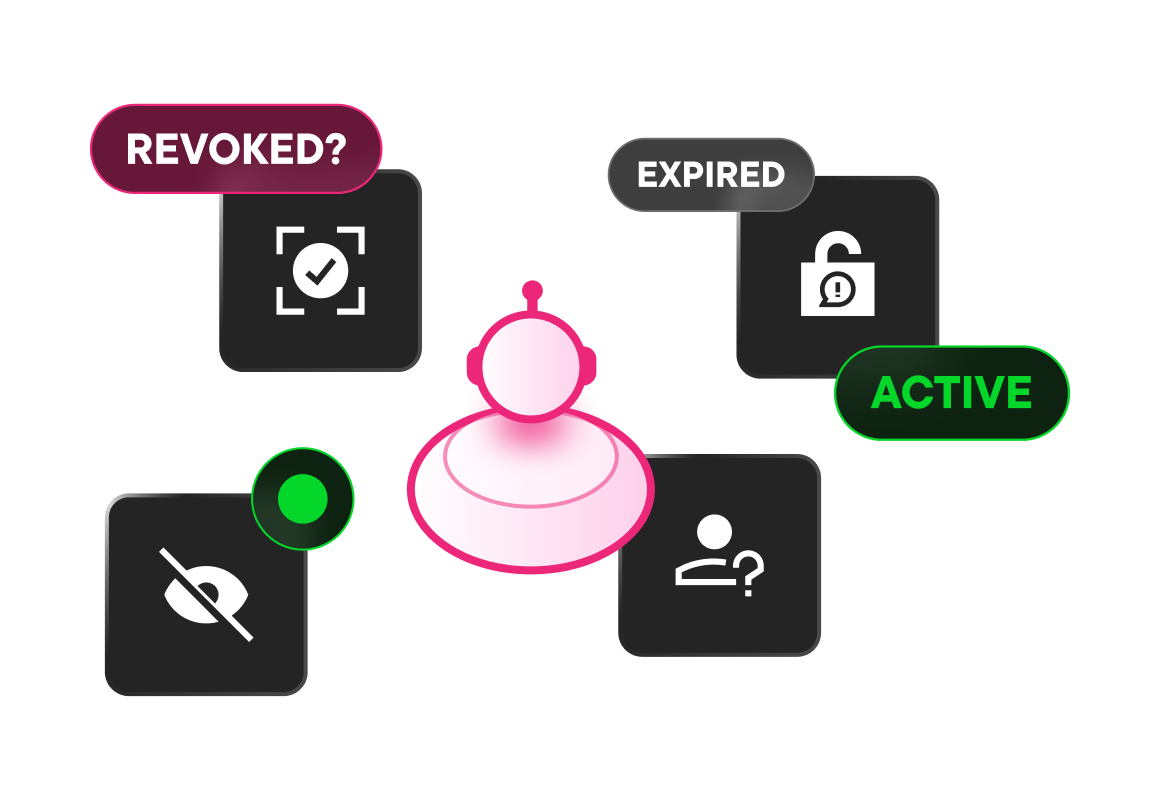
Who authorised this action?
What limits applied?
What information was disclosed?
Can that authority be revoked?
Can the outcome be independently verified later?

These questions surface across every agentic ecosystem — regardless of platform, protocol, or industry.

The series
Agentic commerce and the trust layer: series

Over five weeks, MATTR Labs will publish a short series of perspectives exploring how trust needs to evolve as agentic systems scale.

Published

Agentic Commerce needs trust infrastructure, not just intelligence

For years, AI in commerce has largely been advisory: search, recommendations, comparisons, customer support. These systems influenced decisions, but humans still executed them.

Read on LinkedIn

Published

Why Agentic Commerce will fragment — and why that’s not the real risk

Understanding where fragmentation is acceptable helps narrow the real problem. Once software is authorised to act, the challenge isn’t coordination between systems — it’s how responsibility is delegated, constrained, and evidenced when things go wrong.

Read on LinkedIn

Published

The hard part of Agentic Commerce isn’t AI — It’s delegation

Delegation changes the trust model. When a human clicks a button, intent is implicit. When software acts on someone’s behalf, intent has to be made explicit.

Read on LinkedIn

Coming soon

Why trust can’t be hard-coded into Agentic Systems

Coming soon

Building the trust fabric for Agentic Systems
Why this matters
Why this matters now
Agentic systems are moving from experiments to production decisions
Platforms, payment providers, and regulators are already engaging on delegated authority
Early architectural choices will shape what scales — and what breaks — later
Webinar teaser
Join the conversation

At the conclusion of this series, MATTR Labs will host a live session to explore:

What agentic identity means in practice
Where current systems strain
What “good” trust infrastructure looks like as these systems scale
Register your interest below
Thank you for registering your interest for the Agentic Identity webinar!

Our team will be in touch with you soon.
Oops! Something went wrong while submitting the form.
About
About MATTR Labs

MATTR Labs is MATTR’s hub of innovation, focused on emerging technologies core and adjacent to digital credentials.

Our work explores:

Future trust and identity models
Standards-based approaches to delegation and consent
Infrastructure required for regulated, real-world use cases

Our current experiment:

tools.mattrlabs.com

Credential tools, custom domain checker, decoder tools and more.